What to Think about Regarding Location When Picking Assisted Living Near Me
Business Name: BeeHive Homes of Floydada TX
Address: 1230 S Ralls Hwy, Floydada, TX 79235
Phone: (806) 452-5883
BeeHive Homes of Floydada TX
Beehive Homes assisted living care is ideal for those who value their independence but require help with some of the activities of daily living. Residents enjoy 24-hour support, private bedrooms with baths, medication monitoring, home-cooked meals, housekeeping and laundry services, social activities and outings, and daily physical and mental exercise opportunities. Beehive Homes memory care services accommodates the growing number of seniors affected by memory loss and dementia. Beehive Homes offers respite (short-term) care for your loved one should the need arise. Whether help is needed after a surgery or illness, for vacation coverage, or just a break from the routine, respite care provides you peace of mind for any length of stay.
1230 S Ralls Hwy, Floydada, TX 79235
Business Hours
Choosing assisted living is never ever nearly the structure itself. The ideal place can make every day life feel manageable, connected, and familiar, while the incorrect area can quietly add stress to every task, visit, and appointment. Families usually start with the expression "assisted living near me" because distance seems like the simplest filter, however area is doing much more work than many people realize. It affects routine, mood, transportation, clinical accessibility, family visits, neighborhood experience, and even the length of time a resident really feels settled after the move.
I have seen families spend weeks comparing layout, eating options, and activity calendars, just to discover later that the community's area created the biggest friction. Maybe the drive from home was longer than anticipated. Maybe wintertime weather made visits harder. Maybe the close-by healthcare facility was outstanding, however the day-to-day duties were a hassle. Those information sound small at first. Over time, they become the details that form whether assisted living really feels encouraging or merely practical on paper.
Location becomes part of care, not just a map pin
When family members look for senior care near me, the instinct is often to keep points near to home. That makes sense. Familiar roads, neighboring relatives, and recognized physicians can reduce a challenging change. Still, location ought to be evaluated as component of the care strategy, not as a different box to inspect. A community's setting can either minimize stress and anxiety or produce it.
For example, a resident who still takes pleasure in going to church, getting a haircut from a longtime barber, or having lunch with a brother or sister every Sunday might do much better in assisted living that sits near those routines. An additional individual may care less about neighborhood experience and more about being close to a larger clinical school, rehabilitation services, or an adult kid who travels often. There is no global best place. There is just the most effective suitable for a certain individual with a details history and set of needs.
That is why "assisted living near me" ought to not suggest the closest alternative by miles alone. It must imply the area that fits the rhythm of life the resident is trying to keep.
The worth of distance to household is actual, but it has layers
Families frequently presume that being close to kids or grandchildren is the main location concern. It matters, however the useful side is extra nuanced. A neighborhood may be just 12 miles away and still feel hard if traffic turns the drive into 45 mins each method. An additional might be 25 miles out however rest simply off a simple highway, making visits more predictable.
Nearness issues for greater than social visits. Relative often end up being supporters, care organizers, visit friends, and occasional emergency situation contacts. A convenient drive can make it easier to attend care meetings, leave a favorite blanket, or aid a parent get used to a brand-new routine. It can likewise minimize the sense of guilt relative sometimes feel when life obtains hectic. If a child can stop by after work without crossing the entire metro location, she is most likely to visit commonly. That consistency matters.
I have likewise seen the reverse. Some relatives select a place closer to themselves, assuming it will certainly fix whatever, yet after that find the resident misses longtime close friends, neighbors, or a spiritual area that was central to day-to-day live. The move might be much easier for the family, yet lonelier for the person living there. The goal is not to enhance convenience for a single person alone. It is to maintain connection where it matters most.
How the surrounding neighborhood shapes daily life
The area around an assisted living community deserves attention. A building can look sleek, yet what sits outside the front door still influences homeowners everyday. Is the location peaceful and very easy to navigate? Exist pathways? Exists a park, a library, or a café nearby? Does the area really feel residential, business, or isolated?
Some older grownups enjoy a setup that really feels active and metropolitan. They such as enjoying street life, hearing the city, and being near stores or dining establishments. Others like a calmer setting with less web traffic and fewer aesthetic distractions. There is no wrong response, but the setting should match the resident's personality. A person with dementia, for instance, might become nervous in an active location with constant movement. Someone that has actually constantly lived midtown might really feel depressed in a quiet place that appears removed from life.
The surrounding community additionally impacts sensible matters like noise, car parking, and access for visitors. A community near a significant roadway might be easy to reach but much less enjoyable for outdoor strolls. An even more remote school might be serene however make quick trips to the pharmacy or food store less convenient. Location is not almost the address. It has to do with what day-to-day live seems like because address.
Medical accessibility is entitled to more focus than many family members offer it
When contrasting assisted living alternatives, individuals often focus on the amenities noticeable on the tour. They ask about dishes, housekeeping, and get-togethers. Those are important. Still, clinical accessibility can end up being the determining issue later, particularly if the resident's wellness modifications. The distance of medical care offices, professionals, healthcare facilities, immediate care facilities, and physical therapy carriers can matter a fantastic deal.
A community near a strong health center network may supply satisfaction if the resident has complicated conditions, regular expert visits, or a history of emergency situation care. If somebody requires regular laboratory job, cardiology follow-ups, or wound care, shorter transport times can lower exhaustion and scheduling frustrations. In many cases, the senior living neighborhood itself might collaborate transportation, yet that does not remove the importance of location. A 20-minute consultation can easily end up being an hour-long getaway if the path is made complex or the web traffic is bad.
This is one factor family members ought to ask not just where the nearest hospital is, but just how the area manages non-emergency clinical trips. Does the personnel coordinate trips? Exist limitations on when appointments can be arranged? Is the neighborhood health center a reasonable suit for the resident's current and most likely future requirements? Great senior care looks in advance. Area must too.
Transportation can transform a great area into a fantastic one, or the reverse
A neighborhood might be literally near every little thing important and still be frustrating if transport is poor. Conversely, a somewhat more distant location can function perfectly if the community offers trusted transport and very easy paths. This is where many families underestimate the difference between "neighboring" and "available."
If the resident still drives, questions concerning the neighborhood roads become crucial. Are they basic to navigate? Are there left turns across rush hour? Exist perplexing intersections or locations that really feel demanding after dark? If the resident no longer drives, after that shuttle service, experiences to appointments, and access to public transit or rideshare alternatives matter even more.
Some homeowners are comfortable depending on scheduled transportation. Others locate fixed times limiting, especially if they have a lengthy history of independent living. A neighborhood near household can counter that by making periodic exclusive trips useful. A neighborhood farther away may still work if the transport system is exceptional and the resident's timetable is flexible. Location and transport belong in the exact same conversation.
The significance of routine and the locations that hold it
Older grownups often lug a solid local color. They recognize which food store they such as, where they get their prescriptions, which church seat they always beinged in, and what route they require to visit a good friend's gravesite. Those regimens might sound minor, but they become part of identity. When a relocate to assisted living disrupts them at one time, the adjustment can feel bigger than the household expected.
That is why place needs to be determined against the resident's current life, not only their future care needs. If somebody still goes to the same senior center two times a week, having actually assisted living near that facility might be much more meaningful than being three minutes better to a child's home. If an additional resident gets comfort from regular visits to a yard, route, or neighborhood café, keeping those spots accessible can soften the emotional influence of the move.
Sometimes beehivehomes.com senior care near me the very best assisted living near me is the one that allows a person keep 2 or 3 valued habits undamaged. The appropriate setting can maintain sufficient of the old life to make the new one feel much less like a rupture.
Weather and seasons matter more than individuals think
Location decisions need to account for environment, not just distance. An area that appears close in summertime might come to be tough in winter months. Ice, snow, hefty rainfall, heat, and even high wind can influence how often family visits occur and how risk-free trips feel. In regions with extreme wintertimes, a brief drive can still be demanding if roadways ice up very early or typically. In hot environments, long exterior walks or extended direct exposure while awaiting transport can be exhausting for older adults.
Families often ignore these seasonal truths since they are touring in positive climate. A shaded yard looks appealing in springtime, but if the location comes to be unusable in August, that matters. An area on a busy road could be bearable a lot of the year yet difficult throughout tornado season when website traffic supports and visibility decreases. For residents with minimal flexibility, also the stroll from vehicle parking to the entrance can really feel very various relying on the season.
When evaluating place, analyze a complete year rather than a single pleasurable afternoon. The very best senior living option ought to still really feel manageable in the months that are less forgiving.
Balance privacy with access
There is a peaceful compromise in area that families must talk about honestly. Some people want assisted living in a vibrant location because it really feels linked and invigorating. Others desire a more private school since they value tranquil, safety, and fewer distractions. Neither preference is trivial.
A suburban area may supply a sense of security, more eco-friendly area, and simpler vehicle parking for checking out family members. A metropolitan area may use cultural destinations, closeness to specialists, and much less reliance on autos. A country setup might supply peace and area to breathe, yet it can likewise suggest longer emergency response times or less neighboring services. Each setup lugs benefits and compromises.
The question is not whether one environment is generally better. It is whether the place sustains the resident's day-to-day well-being without creating avoidable friction. For someone who gets overwhelmed conveniently, a quieter setting may deserve a somewhat longer drive. For a person who flourishes on stimulation and range, an extra active place might be the best suit also if it features more traffic.
Visit patterns reveal a lot
When touring areas, focus not only to what you see inside the structure however to how easy it is to visualize visiting consistently. Exist clear indications from the roadway? Is auto parking uncomplicated? Can a spouse in later life make the drive without anxiety? Can grandchildren follow college without a challenging route?
These information issue due to the fact that assisted living works best when connection survives. Locals usually do much better when family can visit usually sufficient to remain part of the fabric of every day life. Some households are realistic about their limits and pick an area that makes spontaneous visits possible. That sort of accessibility can be more valuable than a somewhat larger space or fancier lobby.
I once listened to a family members state they picked a neighborhood because the adult kid can visit on his lunch break. That single detail changed everything. He came to be a steady presence instead of a weekend-only visitor, and his mother adjusted quicker due to the fact that she felt much less deserted. In some cases area is not regarding grand gestures. It has to do with making common call easy enough to take place often.
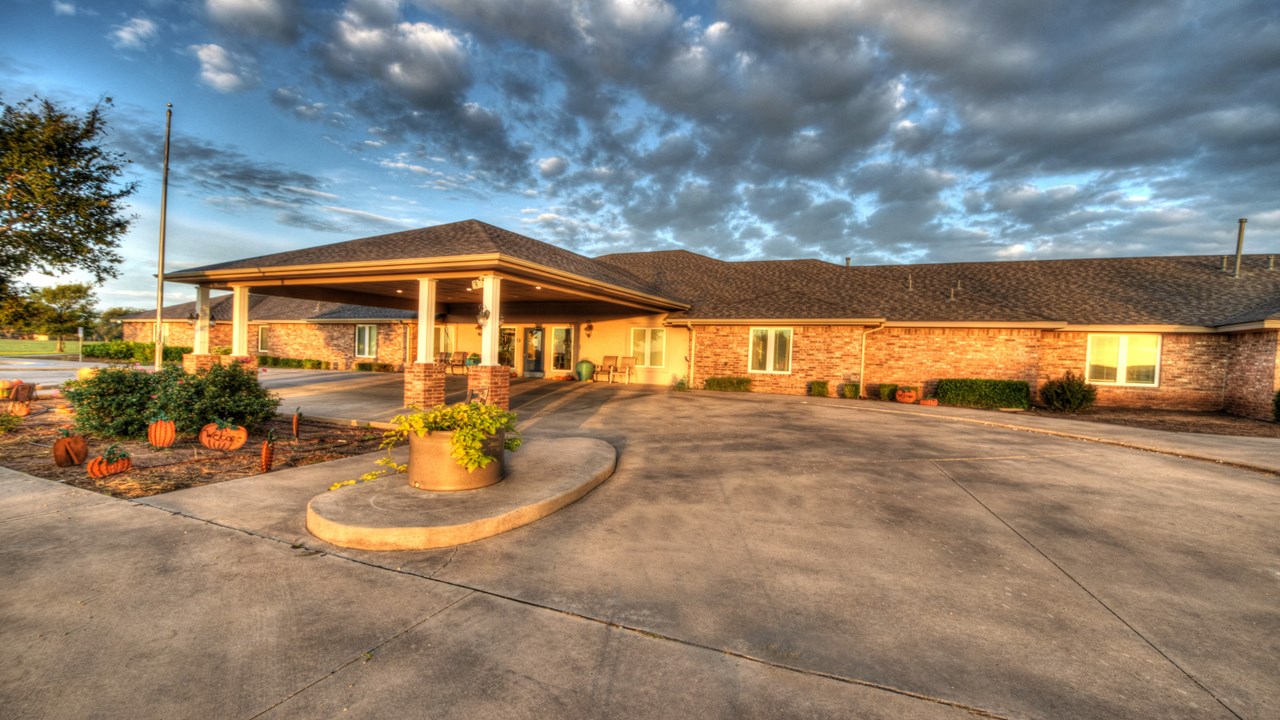
Questions worth asking before you decide
A tour can only inform you so much. One of the most valuable place concerns are usually practical and certain. They disclose just how a community will certainly work once the brochure is failed to remember and the real routine begins. If you are comparing assisted living near me choices, it aids to ask about accessibility in plain language, not simply general impressions.
Here are a few questions that have a tendency to discover the crucial information:
- How long does it normally require to reach the local health center, immediate care facility, and pharmacy?
- What does transportation look like for medical consultations and errands?
- How easy is the drive for family members during heavy traffic, in the evening, and in poor weather?
- Are there neighboring places the resident can still enjoy, such as parks, prayer websites, or preferred shops?
- How does the neighborhood really feel at different times of day?
Those inquiries do not call for an excellent response, yet they do disclose whether the location supports the life you are trying to protect.
When the local option is not the best option
Families in some cases feel stress to choose the closest community since it is simpler to explain and much easier to manage. Range, nonetheless, is only one measurement. If the closest location has poor access to medical care, a challenging neighborhood, restricted transportation, or a setting that does not match the resident's personality, the comfort might be short-term.
This is specifically real when the person relocating has changing health and wellness needs. A location that works well for someone that is reasonably independent may not hold up if wheelchair decreases or visits come to be more frequent. That does not indicate you should overplan for every possibility. It indicates you ought to believe plainly concerning whether the place can adjust with the resident for the next phase, not just the initial month.
Sometimes the best choice is a neighborhood that is not the closest one, yet is still within a sensible drive and better lined up with the resident's real life. That is a fully grown decision, not a concession. Great senior care is rarely regarding one of the most convenient choice. It has to do with the most practical one.
The best location is the one that minimizes friction
At its core, place needs to make life smoother. It needs to decrease the variety of barriers in between the resident and things that matter most, whether that is family members, medical care, acquainted routines, or a calm daily rhythm. An excellent address ought to not ask the resident to function harder simply to remain connected and supported.
When people look for assisted living near me, they are frequently searching for reassurance as high as location. They need to know that the community is close sufficient to be involved, but additionally ideal sufficient to count on. They desire senior living that really feels practical, gentle, and steady. Area shapes every one of that greater than lots of people expect.
The appropriate option usually ends up being clear when you quit asking just how close the community is and begin asking what that distance really permits. Can the household visit without dread? Can the resident get to care rapidly? Can every day life still feel familiar? Can the periods be handled without continuous stress? If the answer to those inquiries is indeed, the place is most likely doing real work in the resident's favor.
That is what makes area worth careful study. Not because it is the flashiest component of the choice, but due to the fact that it silently influences virtually whatever that follows the move.
BeeHive Homes of Floydada TX provides assisted living care
BeeHive Homes of Floydada TX provides memory care services
BeeHive Homes of Floydada TX provides respite care services
BeeHive Homes of Floydada TX supports assistance with bathing and grooming
BeeHive Homes of Floydada TX offers private bedrooms with private bathrooms
BeeHive Homes of Floydada TX provides medication monitoring and documentation
BeeHive Homes of Floydada TX serves dietitian-approved meals
BeeHive Homes of Floydada TX provides housekeeping services
BeeHive Homes of Floydada TX provides laundry services
BeeHive Homes of Floydada TX offers community dining and social engagement activities
BeeHive Homes of Floydada TX features life enrichment activities
BeeHive Homes of Floydada TX supports personal care assistance during meals and daily routines
BeeHive Homes of Floydada TX promotes frequent physical and mental exercise opportunities
BeeHive Homes of Floydada TX provides a home-like residential environment
BeeHive Homes of Floydada TX creates customized care plans as residents’ needs change
BeeHive Homes of Floydada TX assesses individual resident care needs
BeeHive Homes of Floydada TX accepts private pay and long-term care insurance
BeeHive Homes of Floydada TX assists qualified veterans with Aid and Attendance benefits
BeeHive Homes of Floydada TX encourages meaningful resident-to-staff relationships
BeeHive Homes of Floydada TX delivers compassionate, attentive senior care focused on dignity and comfort
BeeHive Homes of Floydada TX has a phone number of (806) 452-5883
BeeHive Homes of Floydada TX has an address of 1230 S Ralls Hwy, Floydada, TX 79235
BeeHive Homes of Floydada TX has a website https://beehivehomes.com/locations/floydada/
BeeHive Homes of Floydada TX has Google Maps listing https://maps.app.goo.gl/VQckTu3ewiBFL32A7
BeeHive Homes of Floydada TX has Facebook page https://www.facebook.com/BeeHiveHomesFloydada
BeeHive Homes of Floydada TX has an Youtube page https://www.youtube.com/@WelcomeHomeBeeHiveHomes
BeeHive Homes of Floydada TX won Top Assisted Living Homes 2025
BeeHive Homes of Floydada TX earned Best Customer Service Award 2024
BeeHive Homes of Floydada TX placed 1st for Senior Living Communities 2025
People Also Ask about BeeHive Homes of Floydada TX
What is BeeHive Homes of Floydada TX Living monthly room rate?
The rate depends on the level of care that is needed. We do an initial evaluation for each potential resident to determine the level of care needed. The monthly rate is based on this evaluation. There are no hidden costs or fees
Can residents stay in BeeHive Homes until the end of their life?
Usually yes. There are exceptions, such as when there are safety issues with the resident, or they need 24 hour skilled nursing services
Do we have a nurse on staff?
No, but each BeeHive Home has a consulting Nurse available 24 – 7. if nursing services are needed, a doctor can order home health to come into the home
What are BeeHive Homes’ visiting hours?
Visiting hours are adjusted to accommodate the families and the resident’s needs… just not too early or too late
Do we have couple’s rooms available?
Yes, each home has rooms designed to accommodate couples. Please ask about the availability of these rooms
Where is BeeHive Homes of Floydada TX located?
BeeHive Homes of Floydada TX is conveniently located at 1230 S Ralls Hwy, Floydada, TX 79235. You can easily find directions on Google Maps or call at (806) 452-5883 Monday through Sunday 9:00am to 5:00pm
How can I contact BeeHive Homes of Floydada TX?
You can contact BeeHive Homes of Floydada TX by phone at: (806) 452-5883, visit their website at https://beehivehomes.com/locations/floydada/,or connect on social media via Facebook or Youtube
Take a drive to the Floyd County Historical Museum . The Floyd County Historical Museum offers local history exhibits that create an engaging yet comfortable outing for assisted living, memory care, senior care, elderly care, and respite care residents.